Bianca Devins Video and The Tragic Murder
Seventeen-year-old Bianca Michelle Devins, known online by her Instagram nickname @escty, was a rising figure in internet subcultures a teenager who found connection, community, and creative expression in the digital world. Her life was cut short in one of the most disturbing crimes of the social media era, a tragedy that exposed the darker corners of online obsession, jealousy, and emotional manipulation. The murder of Bianca Devins by her 21-year-old boyfriend, Brandon Andrew Clark, shocked millions, raised serious questions about digital safety, and left a lasting imprint on the public consciousness.
Contents
- 1 A Teenager Known for Her Online Presence and Video
- 2 A Relationship That Began Online
- 3 The Night Everything Changed
- 4 A Crime Broadcast to the Internet
- 5 Clark’s Attempted Suicide and Police Intervention
- 6 Legal Proceedings and Public Outcry
- 7 Media Coverage and Cultural Reflection
- 8 Honoring Bianca’s Legacy
A Teenager Known for Her Online Presence and Video
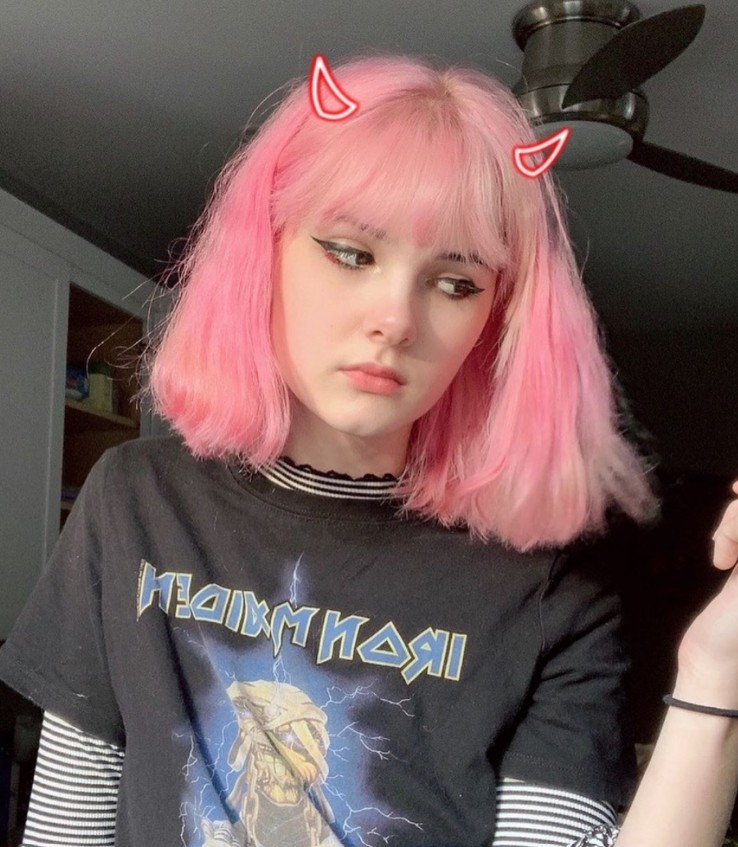
Bianca Devins grew up in Utica, New York, where she developed a strong interest in online communities, alternative fashion, gaming culture, and aesthetics like pastel goth and e-girl styling. Instagram, Discord, and niche social platforms became places where Bianca expressed herself and built a following. Her username @escty became recognizable among fans of alternative art and youth subculture.
The unedited video of Bianca Michelle Devins sparks widespread controversy
bianca-devins-death-photos-1.jpg
bianca-devins-death-photos-2.jpg
bianca-devins-death-photos-3.jpg
bianca-devins-death-photos-4.jpg
Friends and followers described her as creative, introspective, and soft-spoken. She often posted stylized selfies, pastel visuals, and cryptic captions that resonated with younger audiences navigating mental health and identity. Like many teens, Bianca found comfort in digital spaces, where she connected with others who shared her interests. But those same spaces also connected her to people who would come to influence her life in harmful ways.
A Relationship That Began Online
Bianca and Brandon Clark first met through these shared online worlds. Clark, who embraced EMO and alternative fashion, interacted with Bianca in group chats and small communities long before they began seeing each other offline. Friends say Clark quickly grew attached to Bianca and often portrayed himself as protective, supportive, and emotionally invested in her well-being.

Over time, their relationship evolved from a virtual connection to an in-person friendship. Although Bianca did not refer to Clark as her official boyfriend, Clark viewed the relationship as more exclusive and romantic than she did. He became increasingly possessive, blurring boundaries and attempting to control her interactions with others both online and offline.
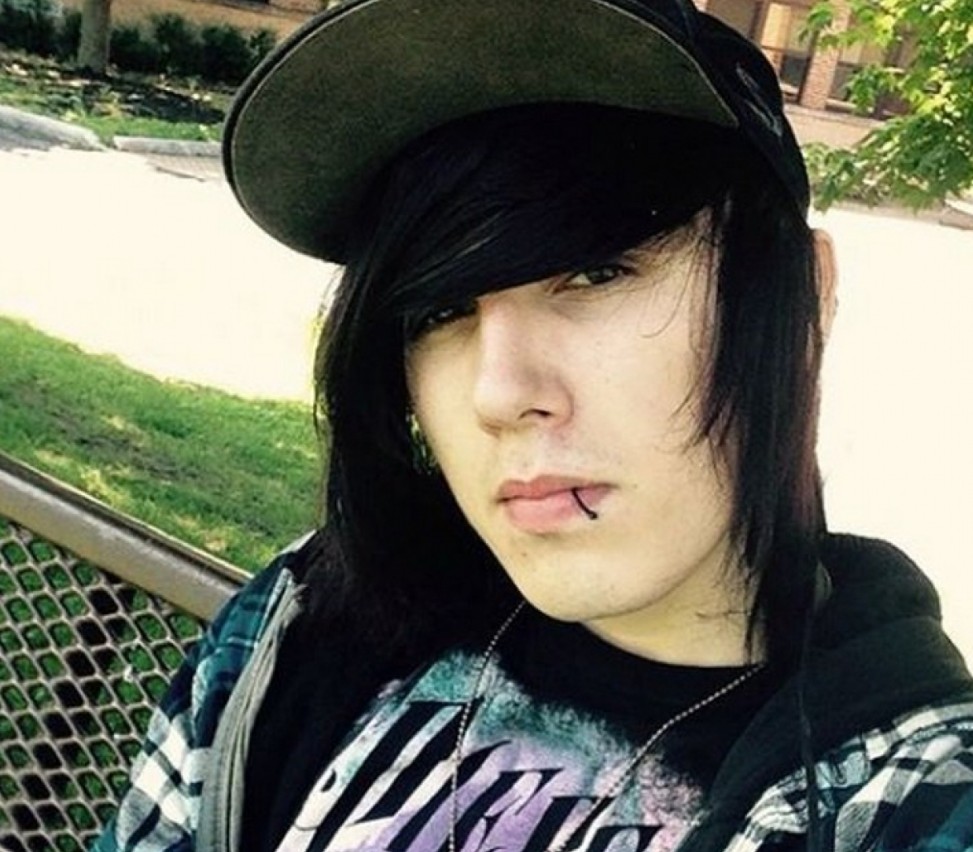
Those close to Bianca later recalled his controlling tendencies messages that suggested emotional manipulation, jealousy, and an unhealthy dependency. Still, Bianca maintained the friendship, possibly unaware of the depth of Clark’s fixation.
The Night Everything Changed
The events leading to Bianca’s murder unfolded after the two attended a concert together. Witnesses reported that Bianca was seen kissing another man during the evening an act that allegedly triggered Clark’s growing jealousy and resentment. Clark, who had been struggling with emotional instability and feelings of rejection, saw her interaction with another man as a betrayal.
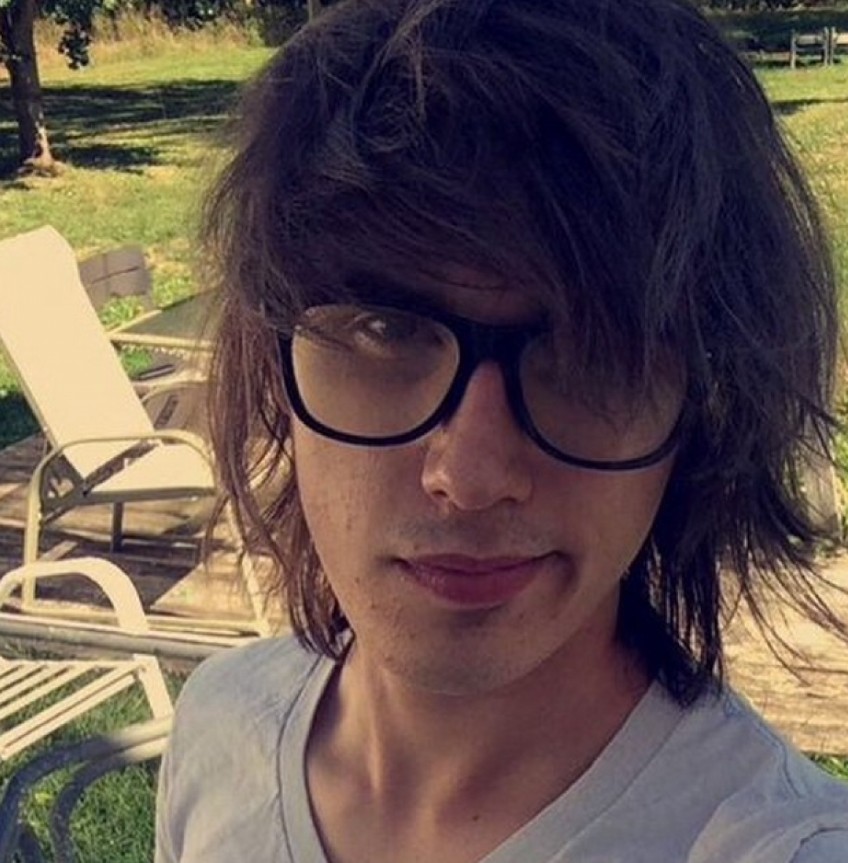
After leaving the event, Clark confronted Bianca. What happened next was a rapid escalation fueled by possessiveness, emotional volatility, and anger. Investigators believe Clark drove Bianca to a secluded area near Utica, where an argument erupted. The confrontation turned violent when Clark allegedly attacked her with a knife, slitting her throat in the back of his vehicle.
Bianca died instantly. She was only 17 years old.
A Crime Broadcast to the Internet
The horror of Bianca’s death did not end with the act itself. In a disturbing and unprecedented move, Clark took photographs of Bianca’s body and posted them online. The images quickly spread across Instagram, Discord, and other social media platforms, reaching thousands of users within hours.
Many people initially believed the images were staged, assuming they were part of a shock meme or internet hoax. But as more posts emerged including a chilling message from Clark captioned “I’m sorry Bianca” the truth became undeniable.
The viral spread of the images added an entirely new layer of trauma. Bianca’s family, who were already grappling with unspeakable grief, began receiving DMs and tags containing the graphic photographs. Trolls and strangers weaponized the images to harass her mother and younger sister. Social media users expressed outrage that platforms were not removing the content fast enough.
This moment became a turning point in conversations about digital violence, privacy rights, and the responsibility of tech companies to control harmful content.
Clark’s Attempted Suicide and Police Intervention
After killing Bianca, Clark attempted to take his own life by stabbing his neck with the same knife he used on her. However, his suicide attempt was interrupted by an alert and quick-thinking police officer who located him using mobile phone data. The officer applied life-saving pressure to Clark’s neck wound until emergency responders arrived.
Clark survived his injuries and was taken into custody. His survival sparked even more anger among the public, especially as court documents revealed details of the crime, his jealousy, and his calculated decision to post the images online.
Authorities later charged him with second-degree murder, and he faced intense scrutiny from the court system, the media, and Bianca’s devastated community.
Legal Proceedings and Public Outcry
The legal case against Brandon Andrew Clark quickly gained national and international attention. Prosecutors emphasized his jealousy, obsessive behavior, and deliberate choice to harm Bianca in a moment of rage. The graphic nature of the crime and the online dissemination of the photos intensified calls for accountability.
Clark eventually pleaded guilty to second-degree murder. During hearings, Bianca’s family delivered emotional impact statements, describing her as a bright, loving teenager who deserved far more from life than the violence she endured. They also condemned the social media users who continued to circulate the photos long after the case ended.
The trial brought renewed attention to the vulnerability of young women online, the danger of obsessive relationships, and the ease with which violent content can spread across the internet unchecked.
Media Coverage and Cultural Reflection
News outlets worldwide covered Bianca’s story. Some focused on the details of the crime, while others highlighted the unsettling connection between online culture and real-world violence. Questions arose about whether platforms like Instagram and Discord should bear responsibility for failing to control the spread of graphic content.
Bianca’s case also amplified discussions about digital stalking, toxic male entitlement, and the glamorization of dark internet subcultures. Many pointed out that Bianca was not the first young woman targeted by an obsessive online acquaintance but the brutality and visibility of her case forced society to confront the issue more openly.
Honoring Bianca’s Legacy
In the wake of her death, Bianca’s family and supporters worked to ensure her story would be remembered for more than tragedy. They created charities and advocacy campaigns to raise awareness about digital exploitation, mental health support for teens, and the dangers of toxic relationships.
Her family also pushed for legislation that would prevent social media platforms from allowing violent content to remain online. Their efforts inspired broader conversations about protecting minors on the internet, addressing harassment, and improving crisis response for victims of digital abuse.
Bianca Devins’ story has remained a symbol of the risks young people face in an increasingly connected world. It continues to serve as a reminder that online interactions can have real-life consequences and that vigilance, education, and empathy are essential tools in preventing similar tragedies.
The murder of Bianca Michelle Devins is a heartbreaking example of how jealousy, emotional instability, and unchecked online behavior can converge with devastating consequences. Her life, full of creativity and potential, was stolen by someone who confused possession with love. Her death sparked global reflection on social media ethics, youth safety, and the responsibilities of digital platforms.
Bianca’s legacy lives on through the awareness she helped create. Her story urges society to recognize the dangers of digital obsession, to protect vulnerable individuals in online spaces, and to ensure that tragedies like hers never happen again.
Breaking News -Anna Kepner Surveillance Video and The Mysterious Death
Marquay the Goat Cause of Death and How Did the Goat Die
National Guard Shooting Video in Washington DC
Nainai Jumping Video Explained Fact or Internet Hoax
Tom Garratt Video Reveals the Dark Side of Online Virality
Masjid Bandar Lampung Full Video Goes Viral on Social Media
Scuba Girl Video Causes Online Frenzy and Public Debate