Ice Shooting Minneapolis Today Video and The Full Minnesota Shooting
A fatal shooting involving a U.S. Customs and Border Protection agent in Minneapolis early Saturday morning has intensified already high tensions in Minnesota, as public outrage over federal law enforcement operations continues to grow. The incident occurred against the backdrop of nearly two weeks of daily protests in the Twin Cities, fueled by anger over immigration enforcement tactics and the recent killing of a local resident by a federal officer.
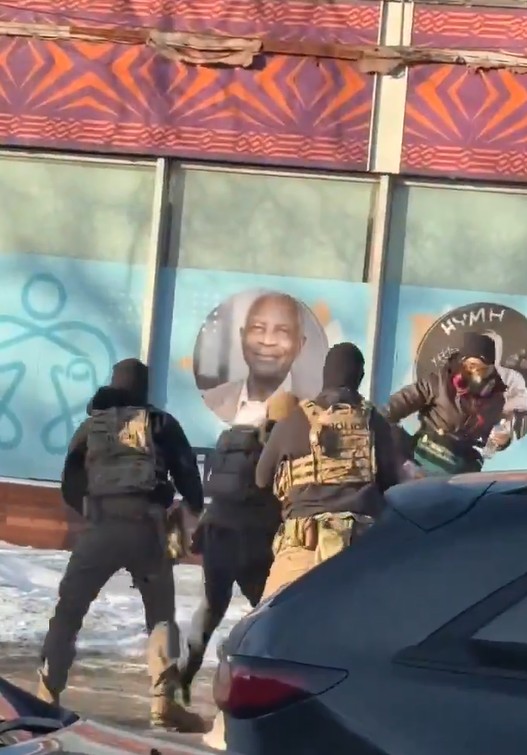
Federal officials say the shooting was justified as an act of self-defense. However, eyewitness accounts, political reactions, and the chaotic aftermath have raised new questions about accountability, crowd control, and the role of federal officers in American cities.
Contents
- 1 The Shooting Incident and Video
- 2 Eyewitnesses Describe Chaos and Shock
- 3 Official Responses From Federal Authorities
- 4 Minnesota Governor Condemns Federal Presence
- 5 City Officials Confirm Investigation
- 6 Public Anger Erupts at the Scene
- 7 Clashes Between Protesters and Federal Agents
- 8 State Patrol Declares Unlawful Assembly
- 9 Weeks of Unrest in the Twin Cities
- 10 Broader Implications and Unanswered Questions
The Shooting Incident and Video
According to the Department of Homeland Security, the fatal confrontation unfolded Saturday morning near West 26th Street and Nicollet Avenue in south Minneapolis. Federal officers from Customs and Border Protection were operating in the area when an armed individual approached them.
The Shooting Video
DHS officials stated that the person was carrying a 9mm semi-automatic handgun and advanced toward the officers. A photograph of the weapon was later released by authorities as part of their official account of the incident.
“The officers attempted to disarm the suspect,” DHS said in a statement. “The armed suspect violently resisted.”
As the struggle escalated, one agent fired what federal officials described as “defensive shots,” citing an immediate fear for the safety of the officers and others nearby. The individual was pronounced dead at the scene. Authorities did not immediately release the identity of the person who was killed, nor did they specify how many shots were fired.
Eyewitnesses Describe Chaos and Shock
A worker at a nearby business told ABC News that they witnessed the shooting and were still grappling with the emotional impact hours later.
“We’re currently dealing with the fallout,” the worker said, describing panic, confusion, and fear among employees and customers in the area.
Residents reported seeing a heavy federal law enforcement presence quickly surround the scene, blocking off streets as investigators began their work. The sudden violence left many shaken, particularly given the ongoing protests and heightened police activity across the city.
Official Responses From Federal Authorities
Federal officials defended the actions of the CBP agent involved, emphasizing that the use of deadly force occurred only after efforts to disarm the suspect failed.
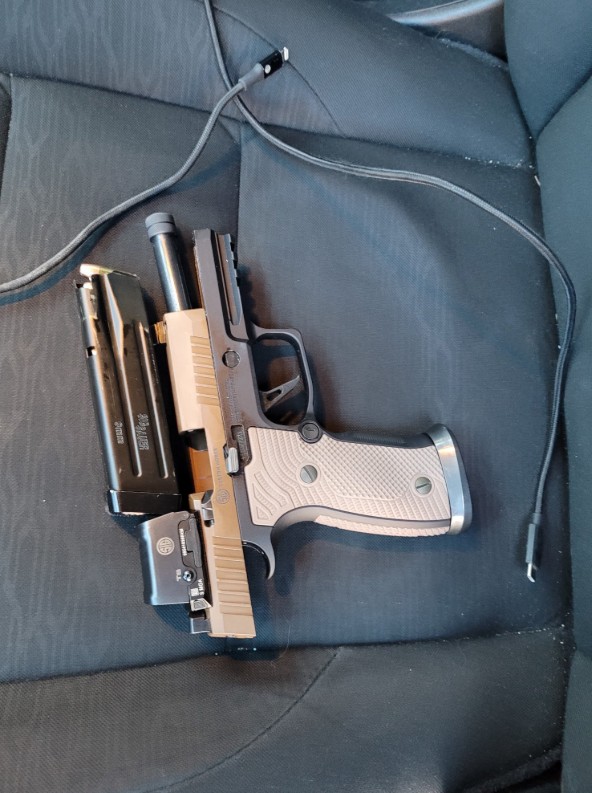
DHS stressed that the agent acted out of fear for his life and the lives of fellow officers. The agency has not yet clarified whether body camera footage exists or if it will be released publicly. An investigation into the shooting is expected, though it remains unclear whether it will be handled internally or involve independent oversight.
Minnesota Governor Condemns Federal Presence
Minnesota Governor Tim Walz responded swiftly and forcefully to the incident, framing it as part of a broader pattern of federal overreach.
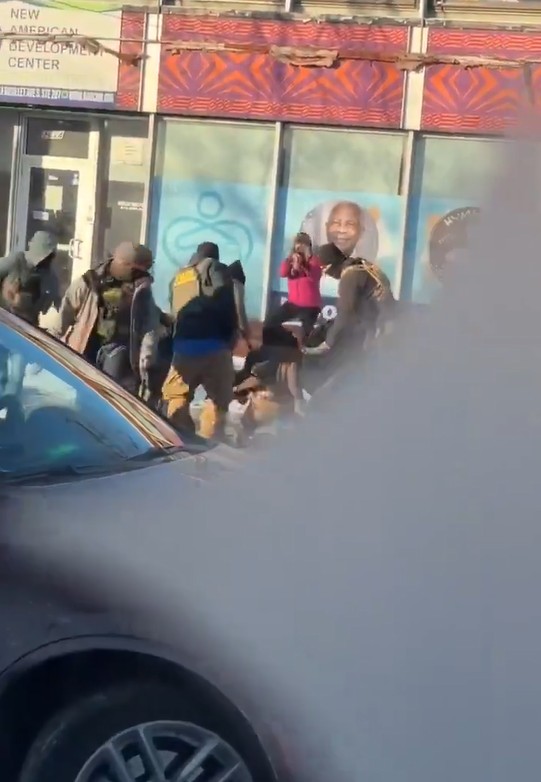
Walz said he spoke directly with the President following the shooting and issued a sharply worded public statement.
“Minnesota has had it. This is sickening,” Walz said. “The President must end this operation. Pull the thousands of violent, untrained officers out of Minnesota. Now.”
His remarks signal a deepening rift between state leadership and federal law enforcement agencies operating within Minnesota’s borders. Walz’s comments also echoed the sentiments of many protesters who have been calling for federal agents to leave the state entirely.
City Officials Confirm Investigation
The City of Minneapolis acknowledged the incident in a post on X, formerly known as Twitter, confirming that officials were looking into reports of a shooting involving federal officers near the intersection of 26th Street West and Nicollet Avenue.
City officials did not immediately provide further details, underscoring the complicated jurisdictional issues that arise when federal officers operate within city limits.
Public Anger Erupts at the Scene
Shortly after the shooting, bystanders gathered near the site, directing their anger toward federal agents. Witnesses reported hearing protesters shout profanities, call officers “cowards,” and demand that they leave Minneapolis.
The atmosphere quickly became volatile, with emotions running high as crowds swelled near the scene. The anger appeared to be fueled not only by the latest shooting but also by weeks of frustration over immigration enforcement and federal policing.
Clashes Between Protesters and Federal Agents
As tensions escalated, federal agents were seen deploying tear gas to disperse protesters near the shooting location. Video from the scene captured confrontations between officers and demonstrators, further inflaming public outrage.
In one widely criticized moment, an officer was heard responding mockingly to protesters as he walked away, saying, “Boo hoo.” Elsewhere, agents were seen shoving a yelling protester into a vehicle, an action that raised concerns about excessive force.
These interactions quickly spread across social media, drawing sharp criticism from civil rights advocates and community leaders.
State Patrol Declares Unlawful Assembly
The Minnesota State Patrol later issued a warning to those gathered near the shooting site, declaring the protest an “unlawful assembly.” Authorities ordered the crowd to disperse, citing public safety concerns.
Despite the heavy police presence and use of crowd-control measures, officials reported no immediate arrests connected to the protest.
Weeks of Unrest in the Twin Cities
The shooting comes amid widespread daily protests in the Twin Cities that began following the January 7 killing of 37-year-old Renee Good. Good was fatally shot when an Immigration and Customs Enforcement officer fired into her vehicle, a case that remains a focal point of public anger.
Since then, demonstrations have taken place nearly every day, with protesters accusing federal agencies of reckless use of force and lack of accountability.
Just one day before Saturday’s shooting, thousands of demonstrators flooded Minneapolis streets in frigid winter weather, protesting what they describe as a federal crackdown on immigrants. Chants calling for federal law enforcement to leave the city have become a consistent feature of these demonstrations.
Broader Implications and Unanswered Questions
The Minneapolis shooting raises broader national questions about the role of federal law enforcement in local communities, particularly during periods of civil unrest. Critics argue that federal officers lack adequate training in crowd control and community policing, while supporters insist they are necessary to maintain order.
As investigations continue, many questions remain unanswered: Was the use of deadly force unavoidable? Will footage be released? And how will this incident shape future federal-state relations?
For Minneapolis, a city still grappling with the legacy of past police violence, Saturday’s shooting represents another painful flashpoint one that underscores the fragile relationship between law enforcement and the communities they serve.
Breaking News -Cooper Camferdam Fight Video and The Circle K Fight Video
Anthony Joshua Car Crash Accident Full Video on X/Twitter
Payal Gaming Viral Video and Why the Internet Is Talking
Kym Marsh English Actress Video and The Understanding
YungRosa Viral Video and Global Online Conversation
Samsara Bold and Gra Scandal Video and the Online Firestorm
Bondi Beach Shooting Video and Australia Shooting Full Video