Balin Miller Video and The Fatal Incident on El Capitan
The global climbing community is mourning the death of Balin Miller, a 23-year-old Alaskan climbing influencer and elite alpinist, who died after falling from El Capitan in California’s Yosemite National Park. The tragic incident occurred while Miller was climbing one of the world’s most iconic and demanding rock formations and was partially broadcast live on social media, intensifying shock and grief among viewers and fellow climbers alike.
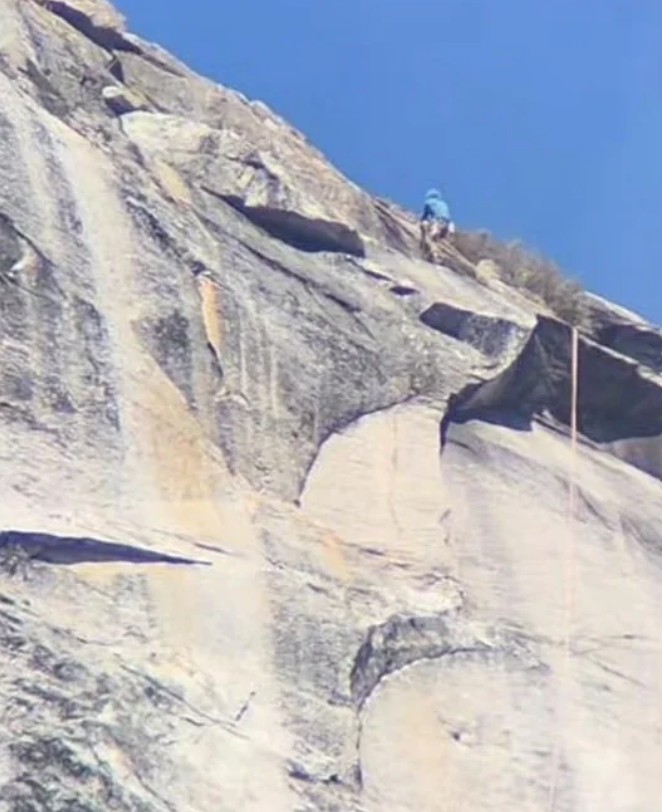
El Capitan, a sheer granite monolith rising nearly 3,000 feet above Yosemite Valley, has long represented the pinnacle of big-wall climbing ambition. For Miller, who had spent much of his short life chasing the world’s hardest ascents, the wall was both a challenge and a familiar home. His death underscores the extreme risks inherent in elite climbing and has sparked renewed conversations about safety, social media exposure, and the fragile boundary between mastery and mortality.
Contents
- 1 The Fatal Incident on El Capitan and Video
- 2 What Likely Went Wrong
- 3 Emergency Response and Investigation
- 4 A Family’s Grief
- 5 Roots in Alaska’s Climbing Culture
- 6 A Rising Star in Alpinism
- 7 Recent Expeditions and Unmatched Achievements
- 8 “The Orange Tent Guy” of Yosemite
- 9 El Capitan: Beauty and Danger
- 10 A Pattern of Tragedy in Yosemite
- 11 Social Media and Extreme Sports
- 12 A Legacy Carved in Stone
The Fatal Incident on El Capitan and Video
On Wednesday, Miller was ascending El Capitan via a renowned big-wall route known as Sea of Dreams, a demanding 2,400-foot climb that tests endurance, technical precision, and mental resilience. During the ascent, he was live-streaming portions of his climb on TikTok, a platform where he had built a following by documenting high-risk alpine objectives and solo climbs.
Video of the incident leading to Balin Miller’s death
According to accounts from witnesses and family members, Miller successfully completed the climb. However, tragedy struck during the descent phase while he was managing equipment. His fall was witnessed by at least one climber and photographer in the area, and emergency services were contacted immediately. Despite the rapid response, Miller was pronounced dead at the scene.
What Likely Went Wrong
While the official investigation is ongoing, preliminary details have been shared by Miller’s brother, Dylan Miller, who spoke to AFP. He explained that Balin was lead rope soloing, a highly advanced technique that allows climbers to ascend alone while placing and managing their own rope protection.
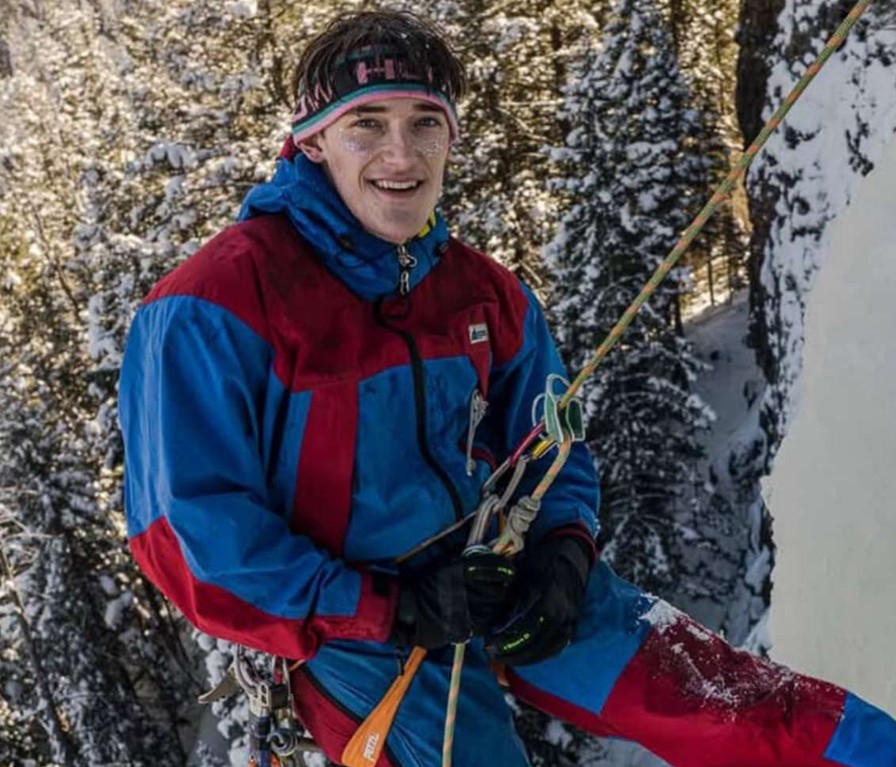
After completing the route, Miller was reportedly hauling his equipment when he may have accidentally rappelled off the end of his rope a known but devastating risk in big-wall climbing if rope length or anchors are misjudged. Yosemite-based photographer Tom Evans, who witnessed the fall, told Climbing magazine that Miller had been attempting to free a bag that became stuck on a rock shortly before the incident.
Evans said he immediately called 911 after realizing what had happened. “It all unfolded very quickly,” he recalled, describing a moment that left even seasoned climbers shaken.
Emergency Response and Investigation
The National Park Service (NPS) confirmed that park rangers and emergency personnel responded promptly to the incident. In a statement, the agency said it is actively investigating the circumstances surrounding Miller’s death.
The incident occurred on the first day of a federal government shutdown, which left national parks “generally open” but operating with limited staff and closed visitor centers. Officials have not indicated that staffing issues contributed to the outcome, but the timing has drawn attention to broader concerns about emergency readiness during shutdown periods.
A Family’s Grief
Miller’s mother, Jeanine Girard-Moorman, confirmed her son’s death in an emotional social media post that resonated widely across climbing and outdoor communities.
“My heart is shattered in a million pieces,” she wrote. “I don’t know how I will get through this. I love him so much. I want to wake up from this horrible nightmare.”
Her words captured the profound loss felt not only by Miller’s family, but also by those who had followed his journey and admired his dedication to the mountains.
Roots in Alaska’s Climbing Culture
Originally from Anchorage, Alaska, Balin Miller was introduced to climbing at a young age. He grew up exploring rugged terrain with his father and brother, developing skills that would later set him apart as one of the most promising young alpinists of his generation.
Alaska’s harsh environment defined by glaciers, vertical ice, and unpredictable weather shaped Miller’s approach to climbing. Those who knew him described him as methodical, intensely focused, and deeply respectful of the mountains, despite his willingness to push extreme limits.
A Rising Star in Alpinism
Miller gained international recognition in 2024 after claiming the first solo ascent of Mount McKinley’s Slovak Direct, one of the most formidable alpine routes in North America. He completed the climb in 56 continuous hours, a feat that stunned even veteran climbers.
“He’s had probably one of the most impressive last six months of climbing of anyone I can think of,” said renowned alpinist Clint Helander in an interview with the Anchorage Daily News.
Another respected Alaskan climber, Mark Westman, went further, comparing Miller to Alex Honnold, the climber who famously free-soloed El Capitan in 2017. The comparison highlighted Miller’s rare blend of physical ability, mental toughness, and bold vision.
Recent Expeditions and Unmatched Achievements
In the months leading up to his death, Miller had completed an ambitious series of solo expeditions across Patagonia and the Canadian Rockies. Among his most notable accomplishments was the ascent of Reality Bath, a notoriously difficult ice climb that had gone unrepeated for 37 years, according to Climbing magazine.
These achievements cemented his reputation as a climber willing to tackle objectives others considered impossible, often alone and in remote environments where rescue would be unlikely.
“The Orange Tent Guy” of Yosemite
Within Yosemite Valley, Miller was affectionately known as the “Orange Tent Guy”, a nickname inspired by his bright campsite at the base of El Capitan. Fellow climbers grew accustomed to seeing his tent during extended solo projects, often lasting weeks.
The nickname reflected not just his visibility, but also his integration into the Yosemite climbing community a place where trust, shared knowledge, and mutual respect are essential for survival on massive walls.
El Capitan: Beauty and Danger
El Capitan remains one of the most sought-after climbing objectives in the world. Its vast granite face attracts elite climbers eager to test themselves against its scale and complexity. But the wall is unforgiving.
Big-wall climbing demands flawless systems management, constant vigilance, and absolute precision. Even minor mistakes can have fatal consequences, especially during descent and equipment handling phases many climbers consider more dangerous than the ascent itself.
A Pattern of Tragedy in Yosemite
Miller’s death marks the third fatal incident in Yosemite National Park this year. In June, an 18-year-old climber from Texas died while climbing without a rope on another formation. In August, a 29-year-old hiker was killed after being struck by a falling tree branch.
These incidents highlight the unpredictable dangers present in even the most carefully managed national parks and underscore the importance of risk awareness for visitors.
Social Media and Extreme Sports
Miller’s death has also reignited debate about the role of social media in extreme sports. Live-streaming dangerous climbs offers transparency and inspiration, but it also places immense psychological pressure on athletes performing in front of an audience.
When tragedy unfolds in real time, viewers are left grappling with shock, grief, and ethical questions about spectatorship and responsibility.
A Legacy Carved in Stone
Despite his short life, Balin Miller leaves behind a powerful legacy. He inspired a generation of climbers to pursue excellence with discipline, humility, and passion. His achievements will continue to be studied, admired, and remembered within alpine history.
Ultimately, his story serves as a reminder that the mountains do not grant exceptions not for talent, experience, or fame. They demand respect, and even then, they offer no guarantees.
Balin Miller lived fully, climbed fiercely, and left his mark on the world’s greatest walls. His loss is immeasurable, but his spirit endures in every climber who looks upward and dares to dream.
Breaking News -Mirjana Pajkovic Snimak Video and the Online Fallout
Alicia Novas Prison Officer Video and the Consequences
Property Lim Brothers Grayce Tan Video and Why It Matters
Ice Shooting Minneapolis Today Video and The Full Minnesota Shooting
Cooper Camferdam Fight Video and The Circle K Fight Video
Anthony Joshua Car Crash Accident Full Video on X/Twitter
Payal Gaming Viral Video and Why the Internet Is Talking