El Mencho Killed Video and The Violence After Death
A wave of violence swept across Mexico after the killing of Nemesio Oseguera Cervantes, the country’s most wanted drug lord and leader of the powerful Jalisco New Generation Cartel (CJNG). His death, confirmed after a high-level security operation involving Mexican special forces and US intelligence, triggered widespread retaliation from cartel members, plunging multiple states into chaos.
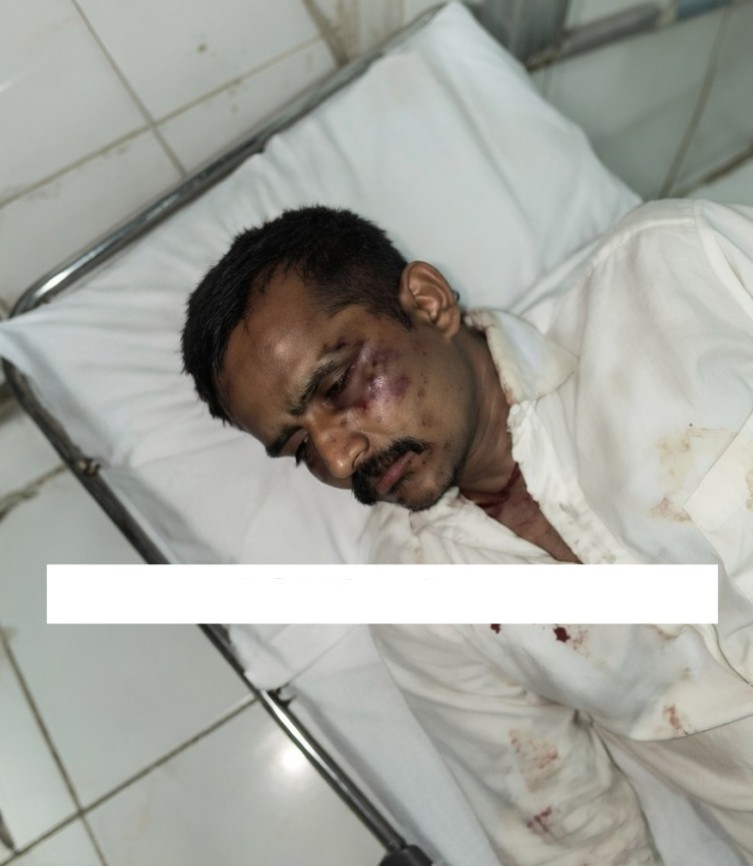
Roadblocks, burning vehicles, gunfire, and attacks on businesses turned parts of the country into scenes resembling open conflict. While authorities insist that stability is being restored, the scale of the unrest highlights both the power of organized crime in Mexico and the high stakes of dismantling cartel leadership.
Contents
The Operation in Tapalpa and Video
The decisive operation unfolded in the mountain town of Tapalpa, located in Jalisco state long considered a stronghold of CJNG. According to Mexico’s defence ministry, the mission was “planned and executed” by the country’s special forces, with intelligence assistance from the United States.
Uncensored video of El Mencho and the Death
Clashes broke out between cartel gunmen and the Mexican army during the attempt to apprehend El Mencho. Four CJNG members were killed, and three soldiers were injured in the firefight. El Mencho himself was seriously wounded in the confrontation and later died from his injuries.
US Press Secretary Karoline Leavitt described him as a “top target for the Mexican and United States government,” particularly because of his role as one of the largest traffickers of fentanyl into the US. She confirmed that American intelligence played a role in supporting the operation.
The death of such a high-profile cartel leader immediately set off fears of retaliation and those fears quickly materialized.
Who Was El Mencho?
At 59 years old, El Mencho had built a reputation as one of the most ruthless and powerful drug traffickers in the world. A former police officer, he rose through the ranks of organized crime before founding CJNG, which evolved into one of Mexico’s most dominant and violent criminal organizations.
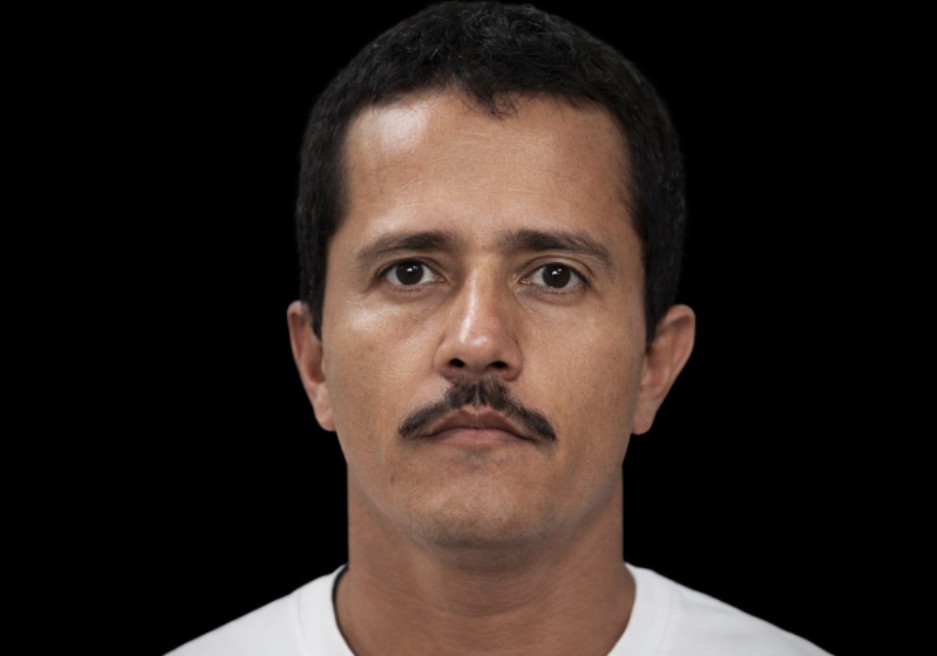
Under his leadership, CJNG expanded aggressively, battling rival cartels and confronting Mexican security forces with military-style tactics. The cartel became notorious for trafficking vast quantities of cocaine, methamphetamine, and especially fentanyl into the United States, fueling the opioid crisis.
The United States Department of State had offered a $15 million reward for information leading to his capture one of the largest bounties ever placed on a drug trafficker. His elimination marks one of the most significant blows against organized crime in recent Mexican history.
Mike Vigil, former Chief of International Operations for the US Drug Enforcement Administration, described the mission as “one of the most significant actions undertaken in the history of drug trafficking,” underscoring its global implications.
Retaliation Spreads Across the Country
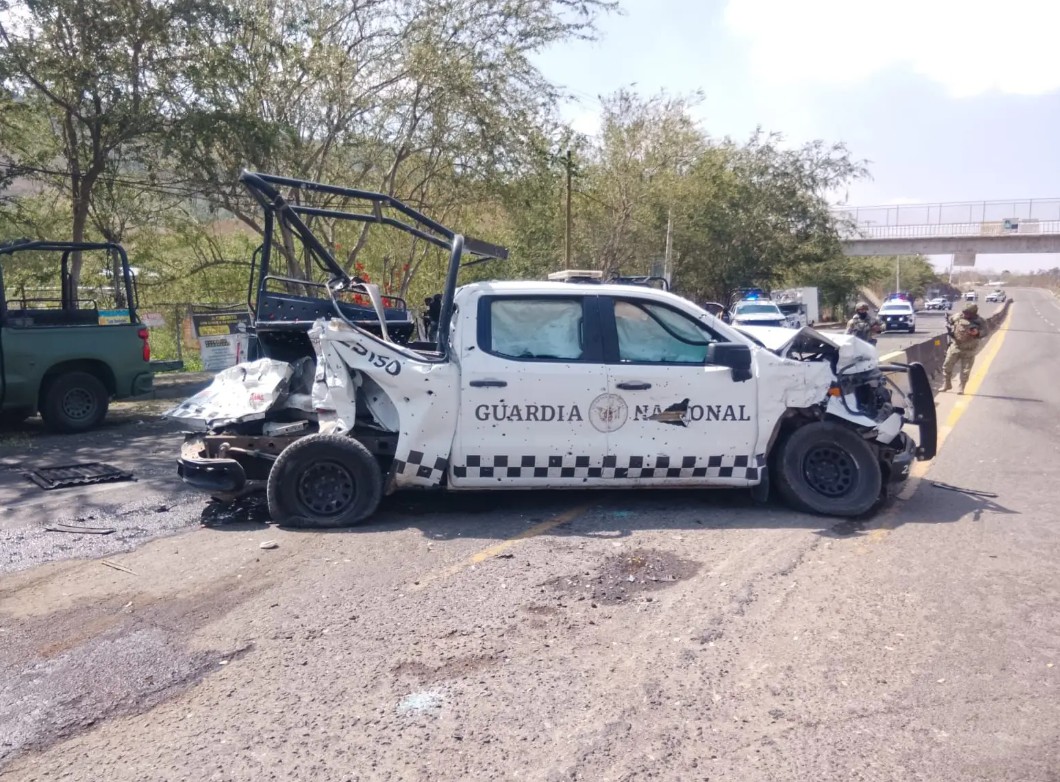
Within hours of the announcement of El Mencho’s death, violence spread rapidly. CJNG members and affiliated groups set up roadblocks across at least a dozen states, using hijacked trucks and burning vehicles to paralyze highways and urban centers.
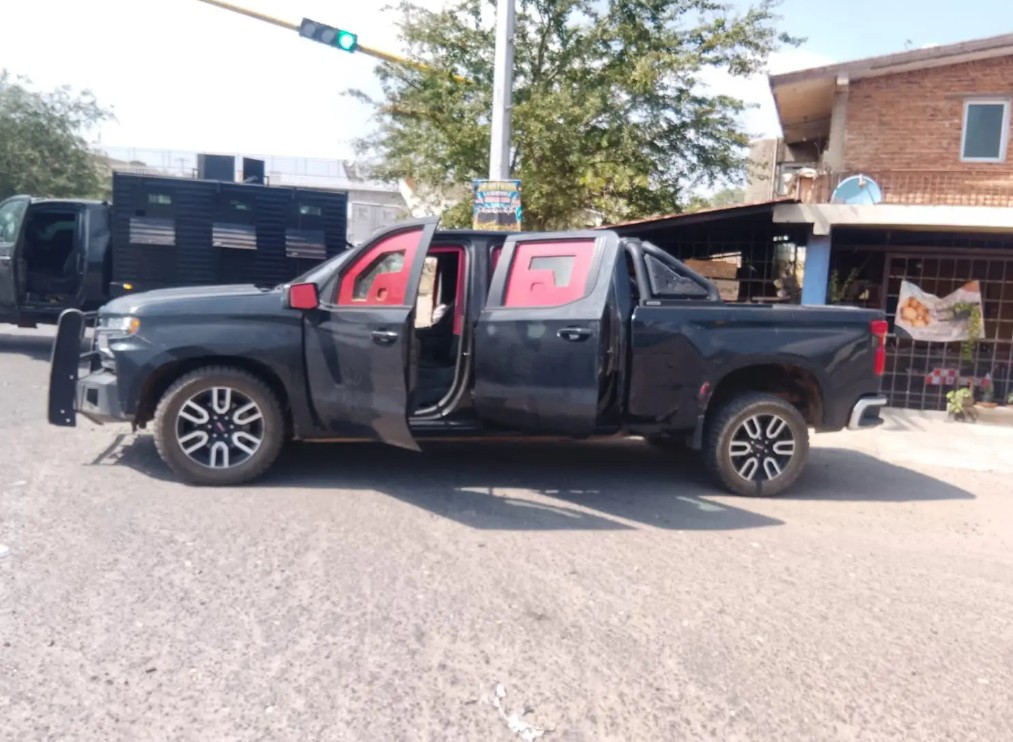
Approximately 250 roadblocks were reported nationwide, with 65 concentrated in Jalisco alone. Throughout Sunday, gunmen were seen patrolling streets in several regions, firing weapons and intimidating civilians.
Dramatic footage showed plumes of smoke rising above cities including Guadalajara, one of Mexico’s largest metropolitan areas and a designated host city for the upcoming FIFA World Cup. The images raised concerns about Mexico’s preparedness to host major international events amid ongoing cartel violence.
Businesses were not spared. Shops were set ablaze, and around 20 bank branches were attacked during the unrest. Authorities reported widespread looting in some areas, compounding the sense of instability.
Jalisco Declares Code Red
In response to the escalating crisis, Jalisco Governor Pablo Lemus Navarro declared a “code red” emergency. Public transportation was suspended, schools shifted away from in-person classes, and large public events were canceled.
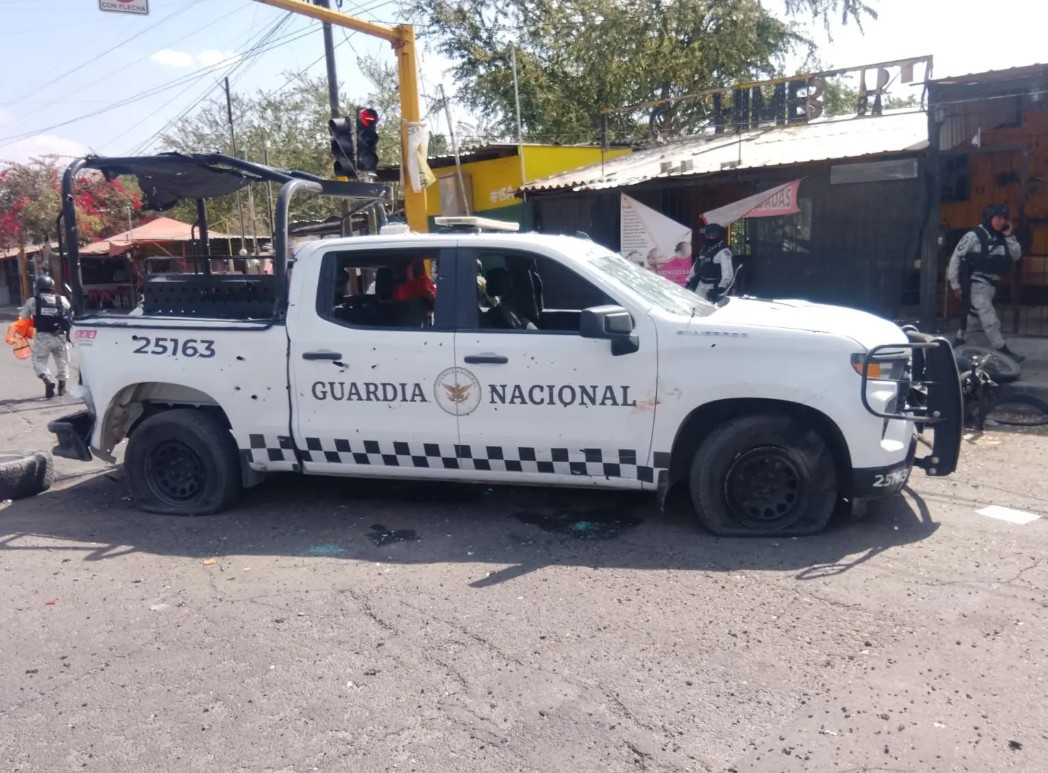
Residents were urged to stay indoors and avoid unnecessary travel. The atmosphere in many cities was tense, with sirens, smoke, and military patrols dominating the streets.
The resort city of Puerto Vallarta, typically known for its beaches and tourism, was described by some visitors as a “war zone.” Tourists speaking to international media outlets said they were sheltering in hotels as violence unfolded nearby.
The unrest severely disrupted daily life and dealt a blow to local economies dependent on tourism and commerce.
Travel Disruptions and International Warnings
The violence quickly had international repercussions. Several major airlines including Air Canada, United Airlines, and American Airlines canceled flights to Jalisco amid safety concerns.
The United States government issued warnings advising its citizens to shelter in place in five states: Jalisco, Tamaulipas, parts of Michoacán, Guerrero, and Nuevo León. The UK government similarly warned travelers to exercise extreme caution, citing “serious security incidents” in Jalisco.
These advisories underscore how cartel violence, once viewed as a localized issue, now carries broader diplomatic and economic implications.
Government Response and Public Reassurance
Mexican President Claudia Sheinbaum addressed the nation, emphasizing that there was “absolute coordination” between federal and state authorities. She sought to reassure citizens that, in most parts of the country, daily activities were continuing normally.
Security forces were deployed to dismantle roadblocks and restore order. By the latest official update, the Mexican Security Cabinet reported that only four blockades remained active in Jalisco.
Authorities also confirmed 25 arrests: 11 individuals allegedly involved in violent acts and 14 others accused of looting and pillaging. Officials pledged to pursue those responsible for the unrest and prevent further escalation.
The Fentanyl Connection
El Mencho’s death is closely tied to the international fight against fentanyl trafficking. US officials have long identified CJNG as one of the primary suppliers of fentanyl entering the American market, contributing to tens of thousands of overdose deaths annually.
The operation demonstrates deepening intelligence cooperation between Mexico and the United States. While such collaboration has sometimes been politically sensitive, it appears to have played a decisive role in locating and targeting the cartel leader.
However, experts warn that eliminating a cartel kingpin does not automatically dismantle the criminal infrastructure. CJNG’s network is extensive, with operations spanning multiple continents.
A Power Vacuum and Uncertain Future
One of the most pressing concerns is the potential for a power vacuum within CJNG. Historically, the removal of cartel leaders has often led to internal struggles and fragmentation, sometimes resulting in even more violence.
If rival factions compete for control, Mexico could face a prolonged period of instability. Alternatively, if CJNG swiftly consolidates leadership under a successor, the cartel may continue operations with little interruption.
The coming weeks will be critical in determining whether El Mencho’s death represents a turning point in Mexico’s long-running drug war or simply another chapter in an ongoing cycle of violence.
A Defining Moment
The killing of Nemesio Oseguera Cervantes marks a historic moment in the fight against organized crime. It represents a significant tactical victory for Mexican authorities and their US counterparts. Yet the immediate eruption of violence illustrates the deep entrenchment of cartel power and the challenges of restoring lasting security.
As smoke clears from burned highways and roadblocks are dismantled, Mexico faces a pivotal question: can the state capitalize on this moment to weaken CJNG’s grip, or will retaliation and internal conflict intensify the struggle?
For now, citizens remain watchful, authorities remain on high alert, and the world observes closely as Mexico navigates the aftermath of one of the most consequential operations in its modern history.
Breaking News -Pinay Viral Gold Medalist Scandal 2026 and the Jerriel Cryazee Viral Video
Gavin Mckenna Fight Video and Charged After Alleged
Savannah Guthrie Mom Video and Nancy Guthrie Missing
Balin Miller Video and The Fatal Incident on El Capitan
Mirjana Pajkovic Snimak Video and the Online Fallout
Alicia Novas Prison Officer Video and the Consequences
Property Lim Brothers Grayce Tan Video and Why It Matters